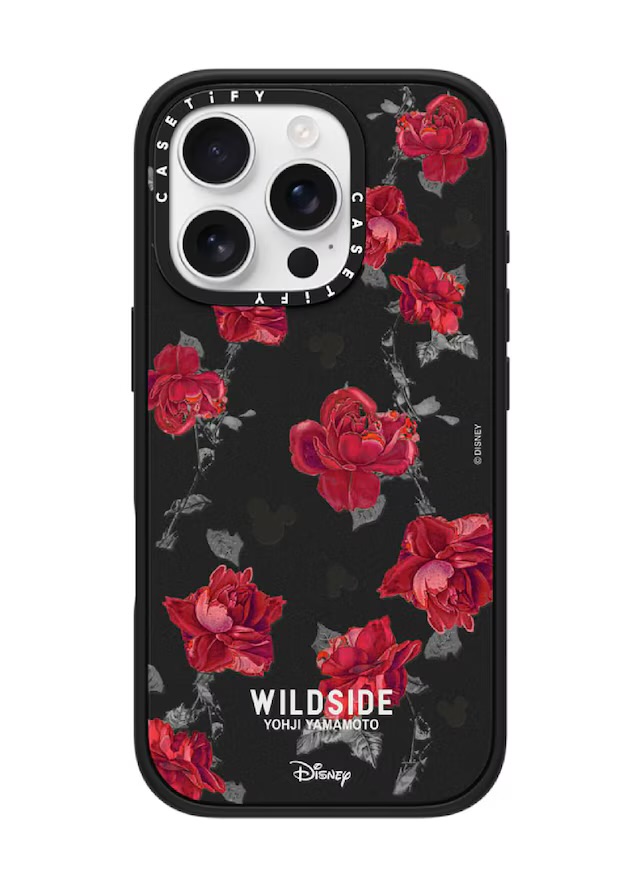
Disney × CASETiFY × WILDSIDE

CASE
TiFY
×WILD
SIDE

Art direction and Disney creative leadership for CASETiFY's first-ever three-way collaboration with WILDSIDE Yohji Yamamoto — reimagining Mickey Mouse through a darker, fashion-driven lens across collectible product touchpoints.

Role

Category Manager & Creative Lead

Client

Disney / CASETiFY

Category

Tech · Fashion Collaboration

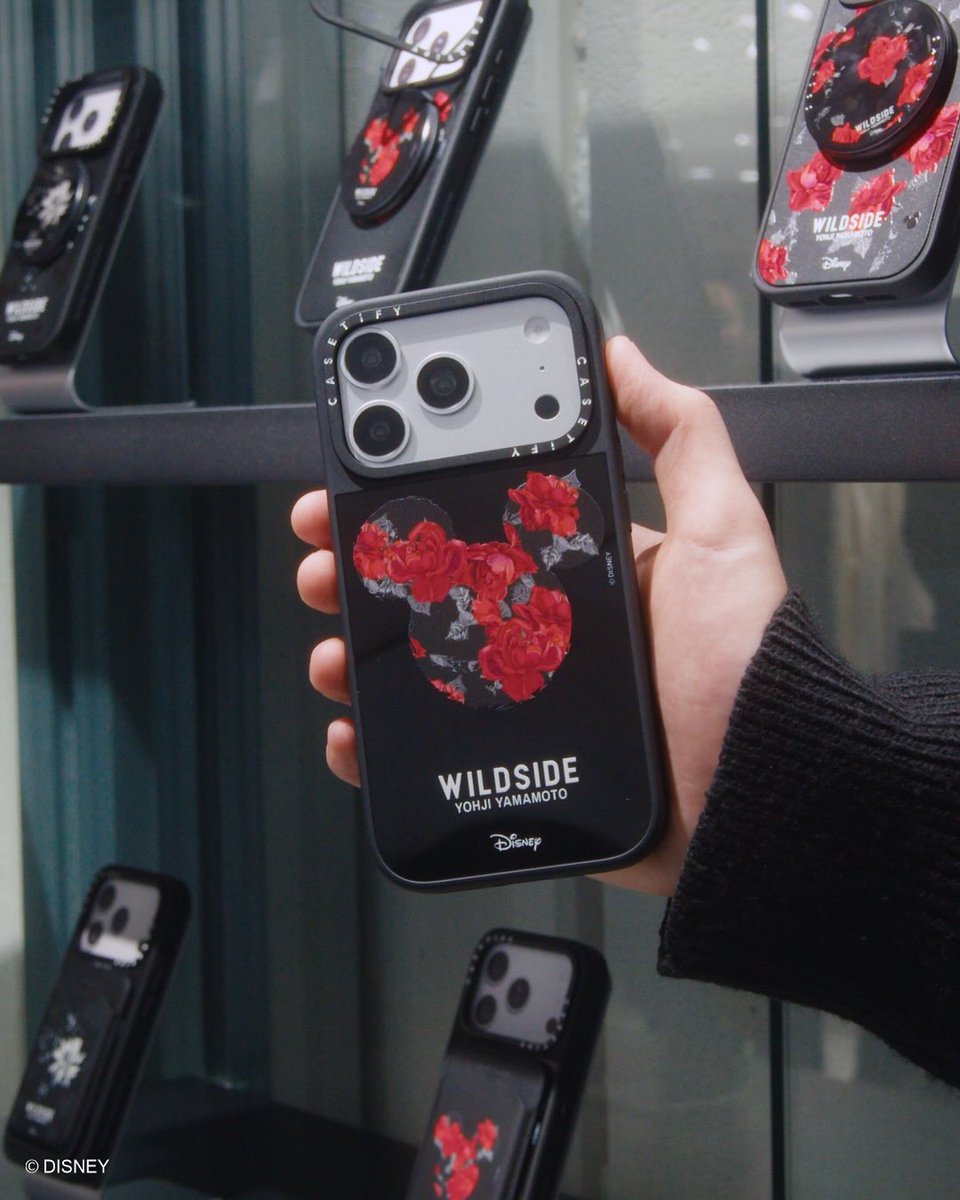
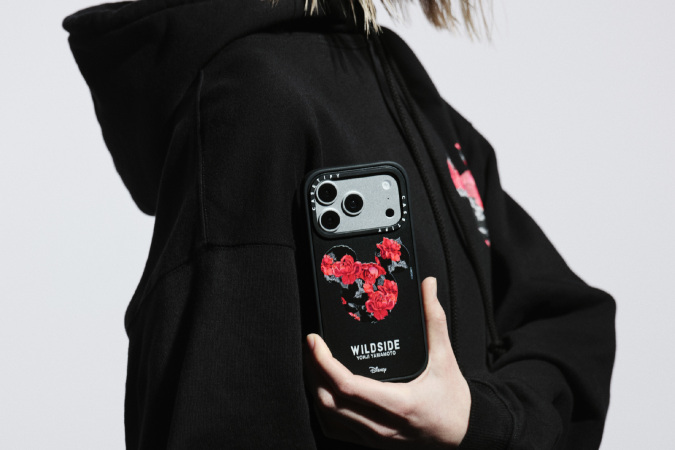
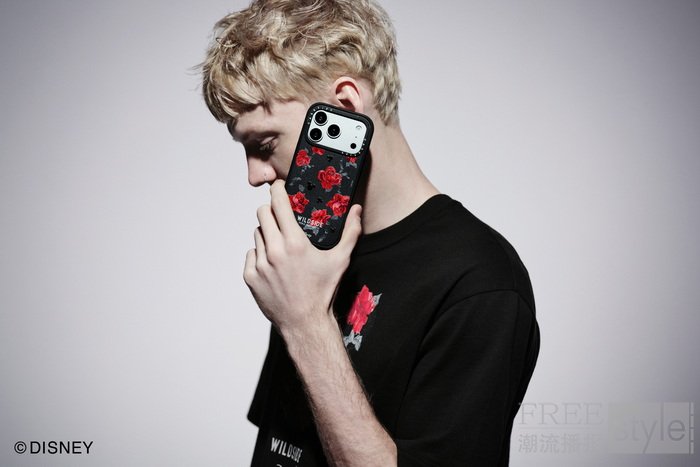
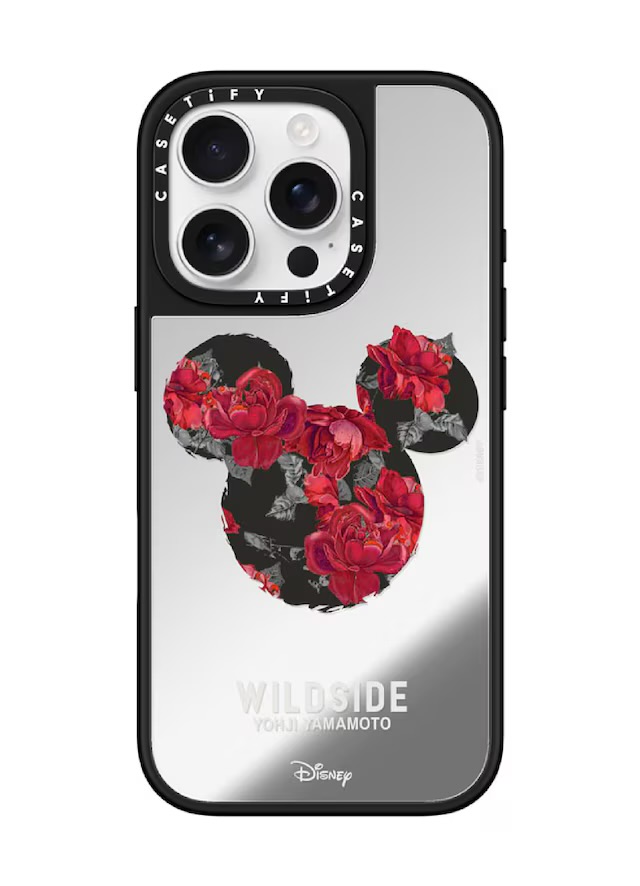
CASETiFY x Disney x WILDSIDE
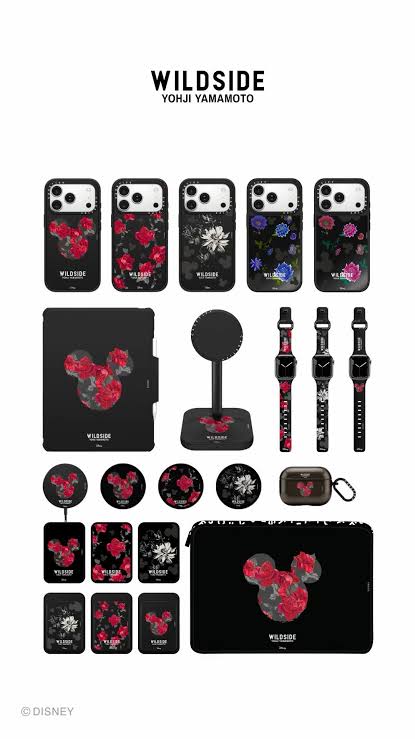
CASETiFY x Disney x WILDSIDE — full collection

The Project

Three brands. One icon.
A darker Mickey.

01

Context

The most recognizable character in entertainment history. Recontextualized.

This collaboration brought together three distinct identities: Disney's universally recognizable Mickey Mouse, WILDSIDE Yohji Yamamoto's dark and subcultural visual language, and CASETiFY's collectible tech accessory ecosystem. It was CASETiFY's first-ever three-way collaboration — a statement-making release centered on reinterpreting Disney's classic icon through a sharper, more fashion-led point of view.

The challenge was not simply to place Mickey onto product. The real task was to build a shared visual language that preserved the authenticity of Disney IP while allowing the collection to feel at home inside WILDSIDE's world and desirable within CASETiFY's collaboration-driven audience.

02

My Role

Category Manager & Creative Lead — Disney side.

Three brands meant three approval cultures — Disney brand integrity standards, CASETiFY's product and launch cadence, and WILDSIDE's editorial vision — each with veto power, and none with the same definition of "on-brand." The work was building a path where all three could say yes to the same object.

Responsibility sat at the intersection of brand stewardship, creative development, and cross-partner alignment. The role required protecting the integrity of Mickey Mouse as a global franchise asset while also pushing the collaboration into a more elevated and fashion-conscious space.

Backed a darker, editorial Mickey aligned to WILDSIDE's fashion language rather than defaulting to a traditional Disney look — preserving the character's equity while letting the collaboration feel premium, limited, and culturally relevant

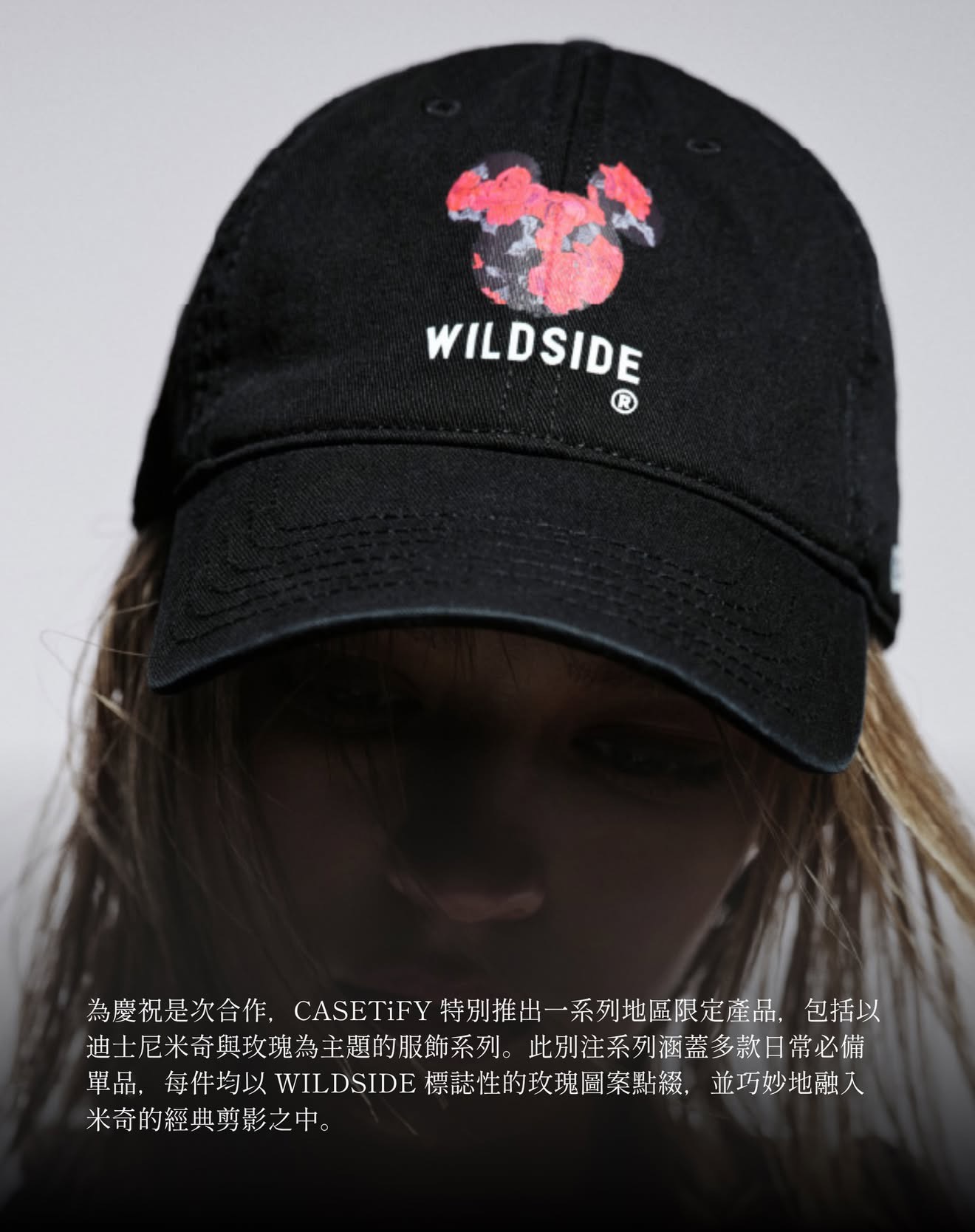
Treated Mickey as a graphic system, not one-off character art — evaluating every piece through a repeatable design language of silhouette, contrast, iconography, floral and gothic motifs, placement, and product readability, so the collection reads as cohesive across cases and accessories

Led Disney's creative vision and approval guardrails across the entire collection, ensuring character and franchise integrity at every stage

Art directed the design systems used to translate the collaboration across product and campaign touchpoints

Collaborated directly with WILDSIDE designers to shape a visual direction that respected both brands — Disney iconography within Yohji Yamamoto's aesthetic

Bridged three partners with different priorities, aesthetics, and approval cultures — translating Disney brand standards into design parameters that enabled experimentation rather than blocking it

03

Design Intent

Mickey as symbol. Not scene.

The design intent was to reinterpret Mickey Mouse as an icon that could live naturally inside a noir, fashion-forward environment without losing recognizability or brand truth. That meant moving away from a playful or nostalgic default and toward a sharper visual tone rooted in contrast, restraint, and attitude.

The system needed to feel premium and editorial while still functioning at the scale of consumer product graphics — objects carried, worn, and photographed in everyday life.

The challenge was building a visual language where Disney, WILDSIDE, and CASETiFY could all live without any one overwhelming the others.

04

Visual System

Rules that made the collaboration possible.

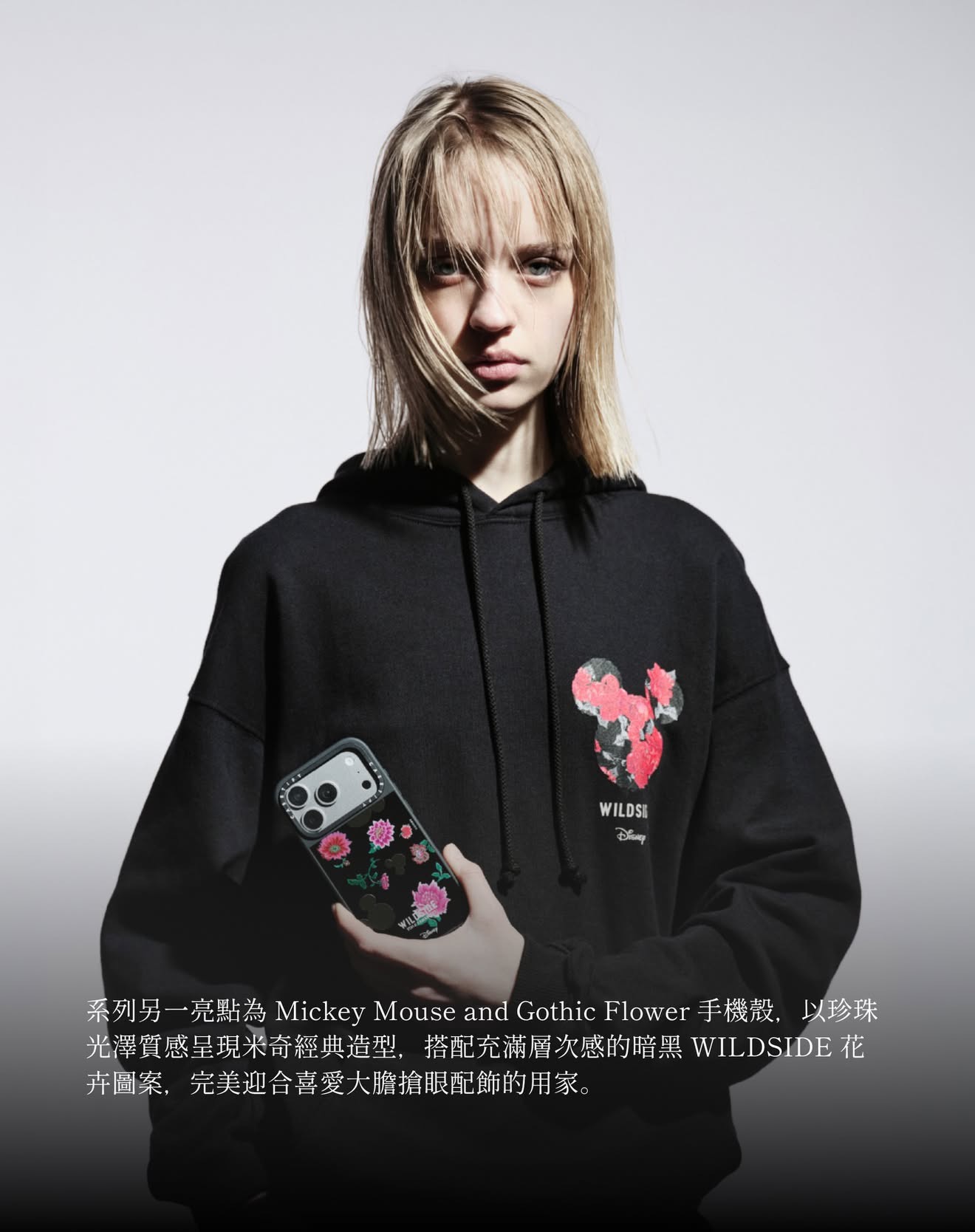
The visual direction treated Mickey less as a scene-based character and more as a graphic symbol. Cropping, contrast, and silhouette were central tools in creating a version of the character that felt bold, premium, and compatible with WILDSIDE's darker aesthetic language.

01

Character Treatment

Defined acceptable levels of abstraction for Mickey — how far the icon could be pushed toward graphic symbol without losing Disney recognizability.

02

Brand Hierarchy

Established clear rules for how Disney, WILDSIDE, and CASETiFY branding coexisted — so no single identity visually dominated the others.

03

Composition Systems

Built scalable composition rules that could translate across multiple accessory formats and surface sizes without losing graphic impact.

04

Palette Direction

A restrained, noir-leaning palette connected the collaboration to WILDSIDE's aesthetic while keeping Disney iconography immediately readable.

05

Product Application

Collectible. Not decorative.

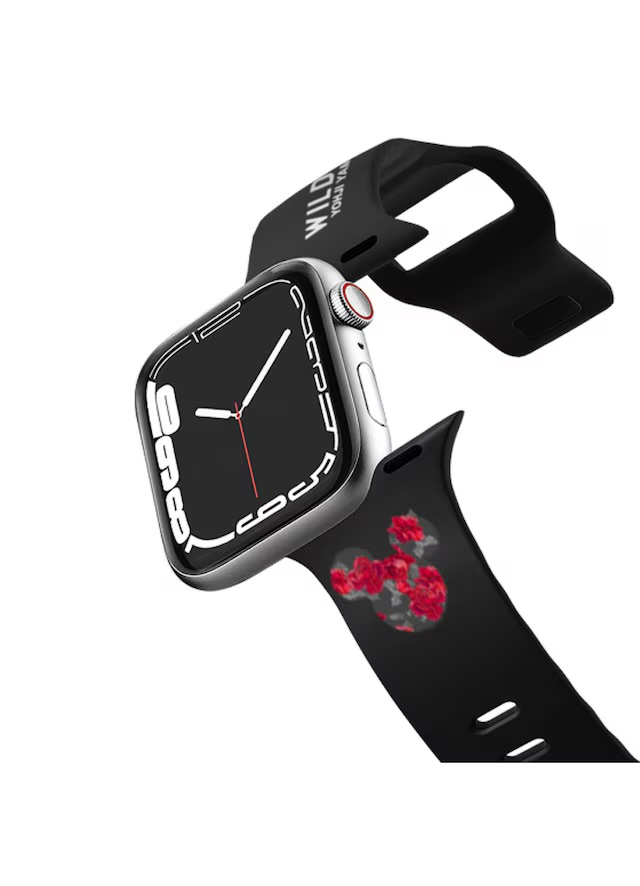
On product, the creative system had to perform on small-format surfaces where clarity matters immediately. CASETiFY's collaboration model depends on visual impact at first glance — the graphics needed to remain recognizable in hand, on shelf, and across social content.

Each application needed to carry the tension of the collaboration itself: Disney familiarity, WILDSIDE edge, and CASETiFY's object-driven desirability.

06

The Outcome

Legacy IP. New context.

The collaboration launched globally on April 10, 2026 through WILDSIDE Yohji Yamamoto channels and 10 CASETiFY Studio locations in Japan — publicly positioned as CASETiFY's first-ever three-way collaboration with Disney and WILDSIDE. The final collection presented Mickey Mouse through a directional, fashion-attuned lens, demonstrating how legacy character IP can be recontextualized for a contemporary audience without sacrificing integrity.

For the portfolio, this project represents more than a licensing success. It shows the ability to lead creative across soft cultural territory and hard product realities simultaneously: aligning brand guardianship, art direction, collaboration, and consumer product execution within a single visual world.

3

Brand collaboration
First of its kind for CASETiFY

10

CASETiFY Studio locations
Japan launch footprint

2026

Global launch · April 10
Via WILDSIDE channels
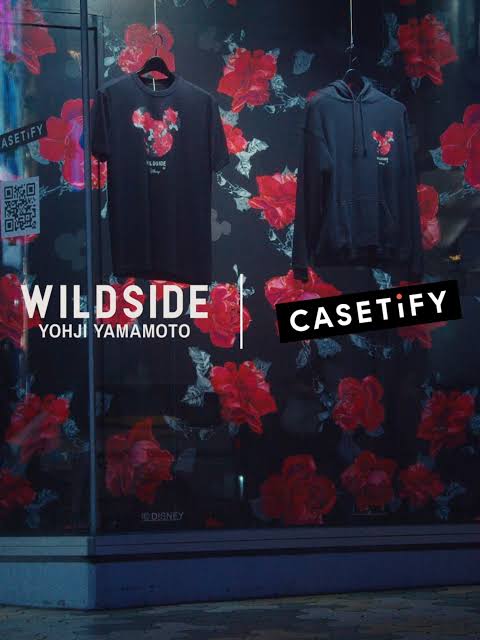
Common Questions

Who led Disney's creative direction on the CASETiFY x WILDSIDE collaboration?

Zach Gracia, Lead Product Designer at The Walt Disney Company, served as Category Manager and Creative Lead on the Disney side — directing how Mickey Mouse was reinterpreted across the collection while protecting franchise integrity.

What design skills does this project demonstrate?

Licensed product design, art direction across tech accessories, multi-partner brand alignment, approval management across three brands, and building a graphic system that scales across product formats.

When and where did the collaboration launch?

It launched globally on April 10, 2026 through WILDSIDE Yohji Yamamoto channels and 10 CASETiFY Studio locations in Japan — CASETiFY's first-ever three-way collaboration with Disney and WILDSIDE.

← Back to Work

All Case Studies

Professional Work